How EV Testing Solutions Improve Powertrain Validation, Motor Testing, and Data Management
The rapid evolution of electric vehicles (EVs) is transforming the automotive industry, making testing and validation more critical than ever. As EV manufacturers, OEMs, Tier-1 suppliers, and R&D teams strive to develop high-performance, reliable, and efficient electric vehicles, they require advanced EV Testing Solutions that streamline validation processes and provide accurate, data-driven insights.
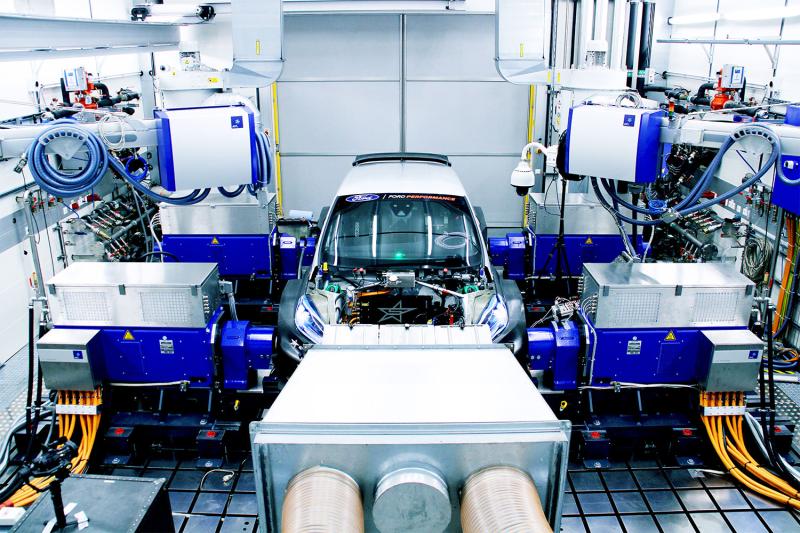
Modern EV development goes far beyond testing individual components. It requires a connected ecosystem where EV Powertrain Validation, EV Motor Testing Services, intelligent E Motor Testing Solutions, and centralized Automotive Test Data Management work together to accelerate product development while ensuring quality, safety, and compliance.
In this blog, we’ll explore how integrated EV testing solutions enhance powertrain validation, motor testing, and data management, helping automotive organizations reduce development time and deliver better-performing electric vehicles.
Why EV Testing Solutions Are Essential
Electric vehicles consist of several interconnected systems, including electric motors, inverters, batteries, transmissions, controllers, and software. Every component must perform reliably under varying operating conditions before the vehicle reaches production.
Comprehensive EV Testing Solutions help manufacturers:
Validate system performance with high accuracy
Automate complex testing procedures
Reduce manual testing efforts
Simulate real-world driving conditions
Improve engineering productivity
Ensure compliance with industry standards
Accelerate product development cycles
Rather than relying on disconnected testing environments, modern solutions integrate hardware, automation, software, and data management into a single testing ecosystem.
Improving EV Powertrain Validation
The electric powertrain is the core of every EV, combining the motor, inverter, gearbox, transmission, and electronic control systems. Validating these components together ensures optimal efficiency, durability, and performance.
Advanced EV Powertrain Validation enables engineers to evaluate:
Torque and power output
Motor efficiency
Thermal performance
Regenerative braking efficiency
Drive cycle performance
Energy consumption
Durability under various operating conditions
Component interaction and system reliability
Modern validation platforms automate these tests while providing synchronized measurements, allowing engineers to identify issues early and optimize overall vehicle performance.
Enhancing Performance with EV Motor Testing Services
Electric motors directly influence an EV’s efficiency, acceleration, range, and driving experience. Reliable EV Motor Testing Services ensure motors consistently meet performance expectations throughout their lifecycle.
Typical motor testing includes:
Performance testing
Torque validation
Speed testing
Efficiency mapping
Thermal analysis
Noise, Vibration, and Harshness (NVH) testing
Endurance testing
Functional validation
Comprehensive testing helps manufacturers reduce design risks, improve product quality, and ensure long-term reliability.
The Role of Advanced E Motor Testing Solutions
Today’s E Motor Testing Solutions combine intelligent automation with real-time monitoring to simplify complex testing environments.
Key capabilities include:
Flexible automation platforms
Integration with multiple testing devices
Vehicle simulation
Road Load Simulation (RLS)
High-speed synchronized data logging
Multiple duty cycle testing
Automated report generation
Scalable testing architecture
These advanced testing environments improve repeatability, minimize downtime, and support both research and production validation activities.
Why a Motor Testing Data Management Platform Matters
Testing generates enormous amounts of information. Without centralized management, valuable engineering data can become scattered across multiple systems, making analysis difficult and slowing decision-making.
A robust Motor Testing Data Management Platform helps organizations:
Collect test data automatically
Store results in a centralized repository
Maintain complete traceability
Compare historical test results
Improve collaboration across engineering teams
Generate customized reports
Reduce manual documentation
Centralized data management enables faster engineering decisions while improving overall testing efficiency.
Automotive Validation Data Management: Building a Connected Testing Ecosystem
As testing complexity increases, organizations need intelligent Automotive Validation Data Management systems that connect people, processes, and testing equipment.
An effective validation data management strategy offers:
Centralized test data storage
Standardized workflows
Automated data synchronization
Secure access control
Version management
Regulatory compliance support
Improved collaboration across multiple locations
Instead of working with isolated datasets, engineering teams gain complete visibility into validation activities throughout the product development lifecycle.
Smarter Engineering with Powertrain Testing Data Management
Powertrain testing produces thousands of synchronized measurements from various sensors, controllers, and testing equipment. Managing this information efficiently is essential for faster validation and better engineering decisions.
Modern Powertrain Testing Data Management systems provide:
High-speed synchronized data acquisition
Automated processing
Intelligent visualization dashboards
Historical trend analysis
Test comparison tools
Custom report generation
Secure long-term storage
These capabilities allow engineers to identify performance trends, detect anomalies, and optimize powertrain performance more effectively.
The Growing Importance of Automotive Test Data Management
Digital transformation has made Automotive Test Data Management an essential part of EV development. A centralized data management strategy enables manufacturers to maximize the value of every test conducted.
Benefits include:
Improved engineering efficiency
Better product traceability
Faster issue resolution
Simplified compliance reporting
Enhanced collaboration
Reduced duplicate testing
Better decision-making through data analytics
As EV programs become increasingly complex, efficient test data management helps organizations maintain quality while reducing development costs.
Bringing Testing, Validation, and Data Management Together
Electric vehicle development is no longer limited to testing individual components in isolation. Modern engineering teams require an integrated approach that connects testing, validation, automation, and data management throughout the product lifecycle.
A unified testing ecosystem enables engineers to validate electric motors, assess complete powertrain performance, capture high-speed test data, and manage validation results from a centralized platform. Instead of relying on disconnected systems, manufacturers can automate testing workflows, improve traceability, generate customized reports, and access historical data for faster engineering decisions.
By integrating advanced testing capabilities with intelligent data management, organizations can reduce development time, improve collaboration between teams, enhance product quality, and accelerate the delivery of reliable electric vehicles to market.
Conclusion
As the automotive industry continues to embrace electric mobility, manufacturers need advanced testing and validation processes to deliver safe, efficient, and reliable vehicles. Integrated EV testing solutions help engineering teams improve product quality, streamline validation workflows, and make faster, data-driven decisions throughout the development lifecycle.
By combining intelligent automation, comprehensive testing capabilities, and centralized data management, organizations can reduce development time, ensure compliance with industry standards, and accelerate innovation. Whether validating electric motors, optimizing powertrain performance, or managing complex test data, a connected testing ecosystem enables manufacturers to bring high-performance electric vehicles to market with greater confidence.